

Understand in One Article: What Is a “Data Center”?
Release Date:
2024-12-21
Understand in One Article: What Is a “Data Center”?
A data center, abbreviated as IDC in English, stands for Internet Data Center.
The reason it is not commonly referred to as “DC” is primarily to avoid confusion with direct current. Moreover, today’s data centers are generally connected to the Internet and focus on Internet-based services; therefore, the term “IDC” is more accurate.
From a functional perspective, a data center is essentially a super-sized server room housing numerous servers that are dedicated to centralized data management—covering storage, computing, and networking.
According to industry reports, global data traffic processed by data centers reached 15.3 zettabytes in 2020 (with 1 zettabyte approximately equal to 1 billion terabytes), accounting for 99.35% of total global traffic. In other words, virtually all Internet data relies on data center processing, underscoring the critical importance of data centers.
According to the currently popular view, data centers are critical infrastructure—on par with water and power utilities—they serve as the driving force behind the digital economy and provide the foundational support for national and societal development.
I. Stages of Data Center Development
Let’s first take a look at the history of data center development.
In the 1960s, humanity was still in the mainframe era. Back then, to house computer systems, storage systems, and power equipment, people built dedicated machine rooms, which came to be known as “server farms.”
This “server farm” is considered the earliest prototype of a data center.
In the 1990s, with the birth and rapid expansion of the Internet, many companies began to embrace IT integration. They built their own websites and deployed a wide array of servers for email, FTP, OA (office automation), and other applications.
Some companies house their servers in on-premises data centers. Others, though they have only a small number of servers, choose not to colocate them in the office due to concerns such as noise, frequent power outages, and lower security; instead, they opt for colocation in a carrier-neutral data center, leasing space, power, and network bandwidth from the carrier and entrusting the carrier with server management and maintenance.
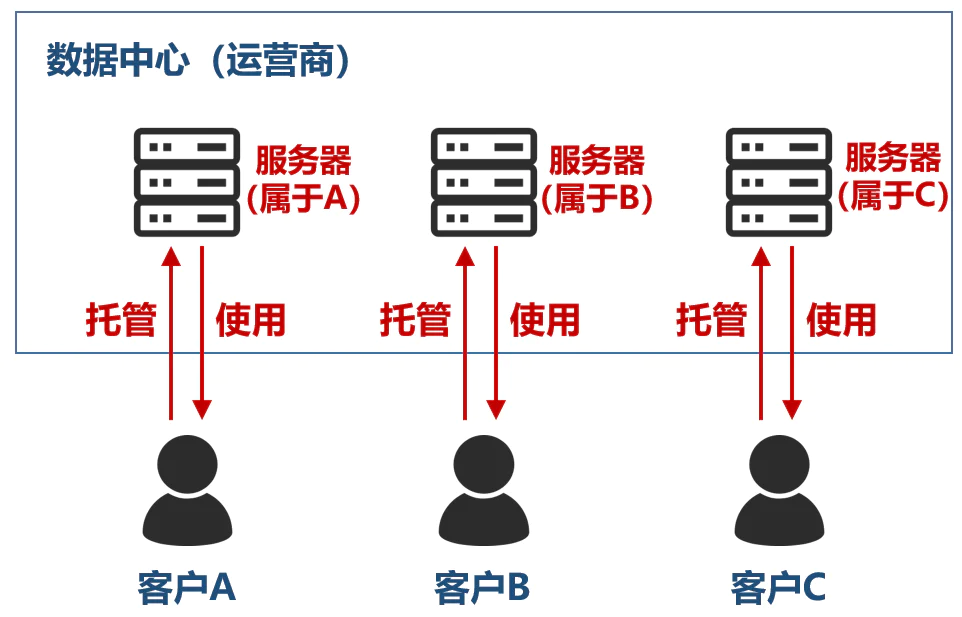
The Early Stage of the Data Center (Phase One)
Thus, the concept of the data center gradually took shape. In 1996, an American company called Exodus—specializing in data center infrastructure construction and bandwidth services—first coined the term “IDC.”
This was the early stage of IDC data center development.
In 1997, Apple launched a virtualization software called “Virtual PC.” Subsequently, VMware introduced its now-famous VMware Workstation, marking the advent of the virtualization era and laying the foundation for the evolution of data centers.
Over time, the hosting services offered by first-generation data centers became more specialized, evolving from full server colocation to website hosting and eventually giving rise to virtual hosting services.
In other words, on a single server, virtual hosting software is used to create N virtual websites, which are then rented out for use by N customers.
In addition to website hosting, a variety of other services, such as data storage space leasing, have also emerged. This marks the second phase of IDC data centers.
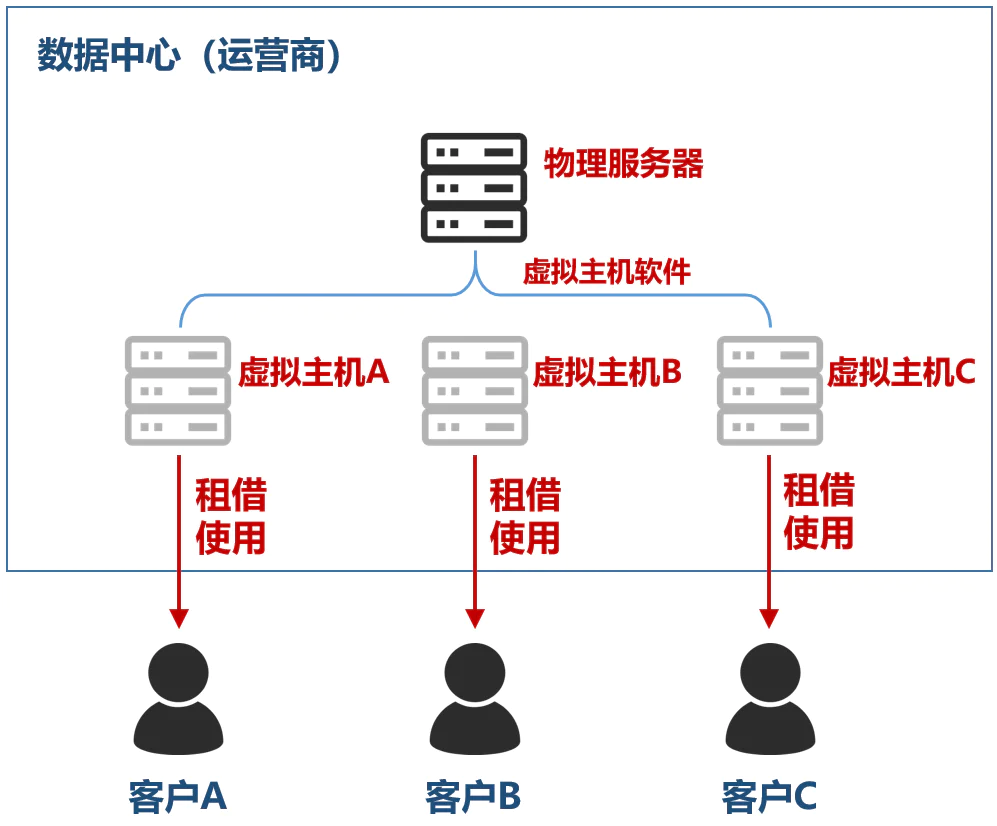
Phase Two of the Data Center
Subsequently, in the early 21st century, companies such as Amazon and Google introduced cloud computing, ushering data centers into a third phase—the cloud computing era—which continues to this day.
The cloud computing phase represents an upgraded evolution of the second phase. Through virtualization and container technologies, it has fully achieved the pooling of computing resources across data center servers. All resources—such as CPUs, memory, and hard disks—are managed by more powerful virtualization software and then allocated for user consumption.
The model has evolved from renting physical hardware to renting virtualized hardware, and even to renting software platforms and services. Thus, IaaS, PaaS, and SaaS have emerged before our eyes.
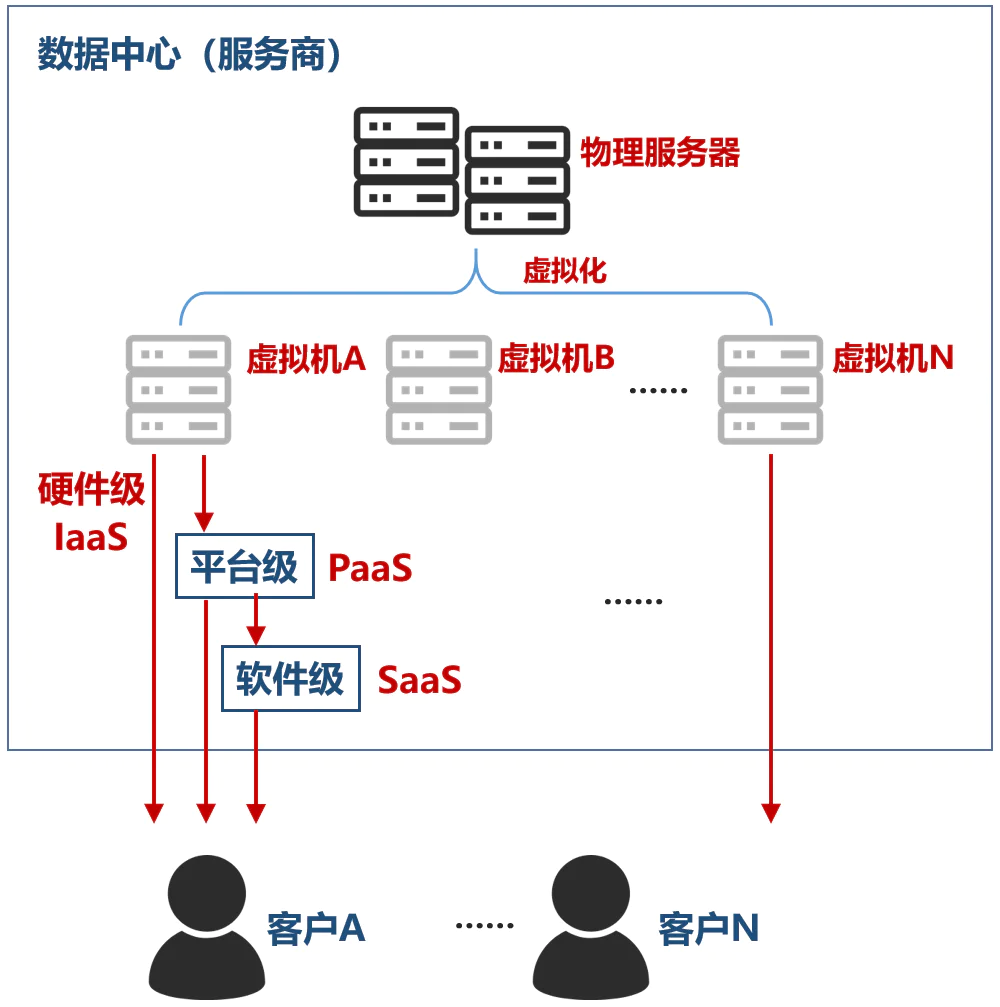
The Third Phase of Data Centers (the Cloud Computing Phase)
II. Composition and Architecture of Data Centers
Next, let’s take a closer look at the components that make up a data center.
As mentioned earlier, a data center is essentially a large server room. In terms of hardware types, it’s much like the enterprise internal server rooms we’re accustomed to seeing—except that the specifications, performance levels, and management standards are significantly higher.
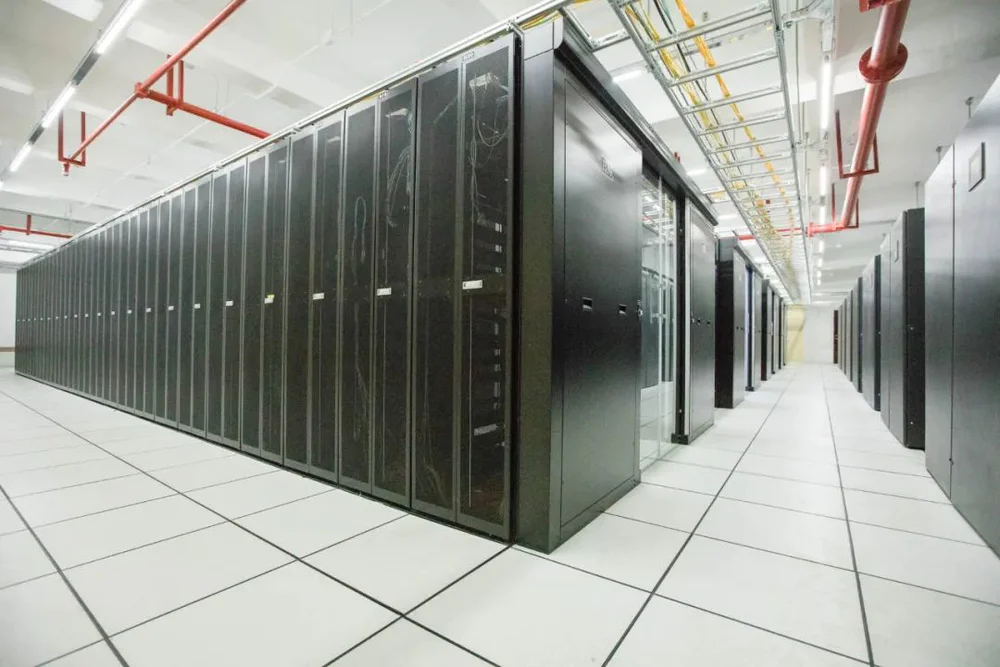
Inside the data center
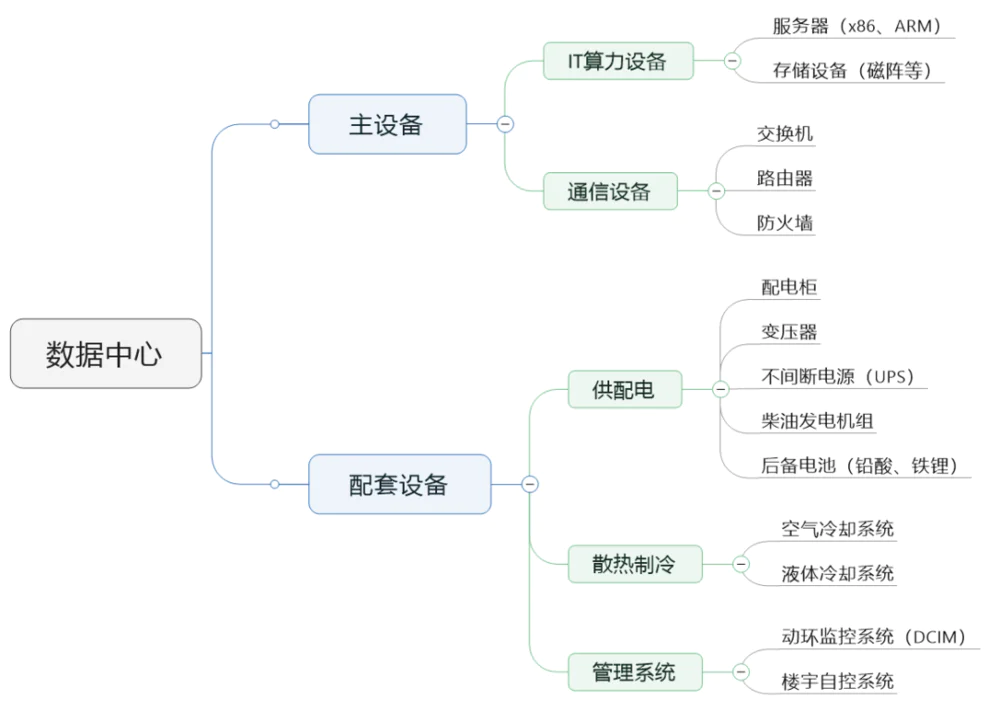
Overall, data center hardware is divided into two categories: primary equipment and supporting equipment.
The primary equipment refers to the devices that truly deliver computing and communication functions—namely, IT infrastructure hardware such as servers and storage systems, as well as networking equipment like switches, routers, and firewalls.
Supporting equipment refers to the underlying infrastructure and ancillary facilities that ensure the proper operation of the main equipment.
The underlying infrastructure and supporting equipment are further categorized into several types, primarily the power supply and distribution system and the thermal management and cooling system, along with fire protection systems, surveillance systems, building management systems, and others.
Main equipment
Let’s take a look at the main device first.
The most fundamental piece of core equipment in a data center is, of course, the server. A server is essentially a high-performance computer; as most people have seen, it contains the same components as a desktop PC, including the CPU, memory, motherboard, hard drives, graphics card (GPU), and power supply.
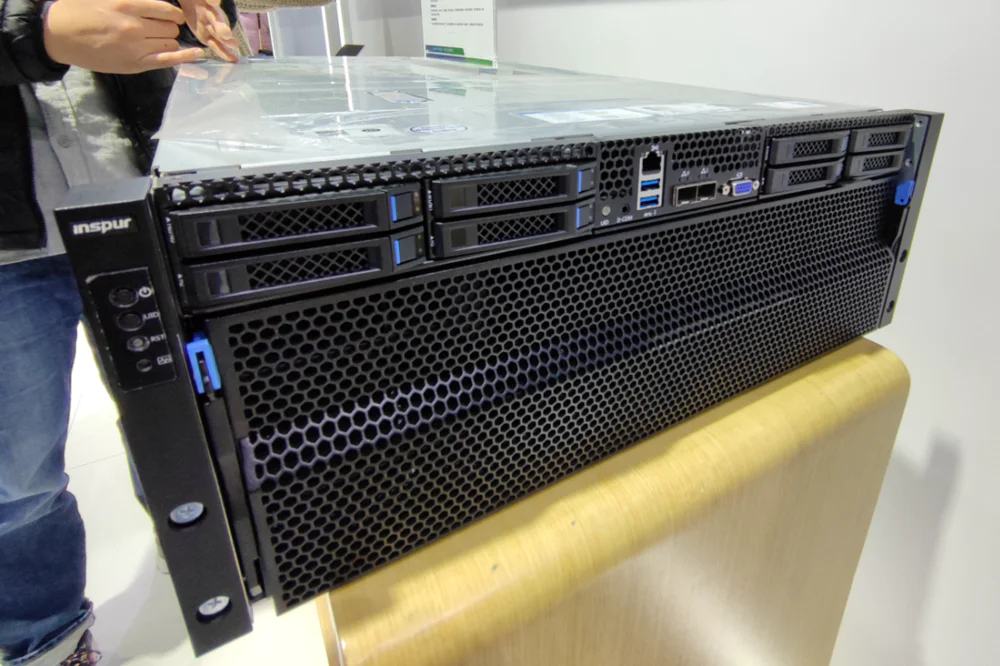
Front view of a certain server model
In the past, servers were predominantly based on Intel architecture; earlier still, PowerPC and SPARC architectures were also common. Today, driven by changes in national policies and the rise of domestically developed CPUs, these chips are capturing an ever-growing share of the market. Built on the ARM architecture, these domestic CPUs offer superior cost-performance and lower overall costs.
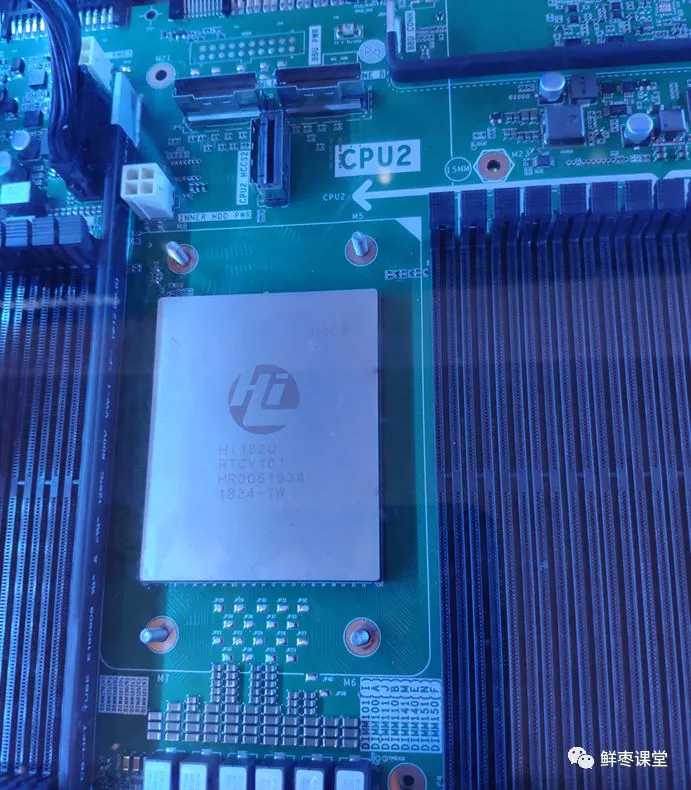
Huawei Hi1620 chip (ARM-based processor for data centers)
Servers are typically mounted in racks (also known as server cabinets).
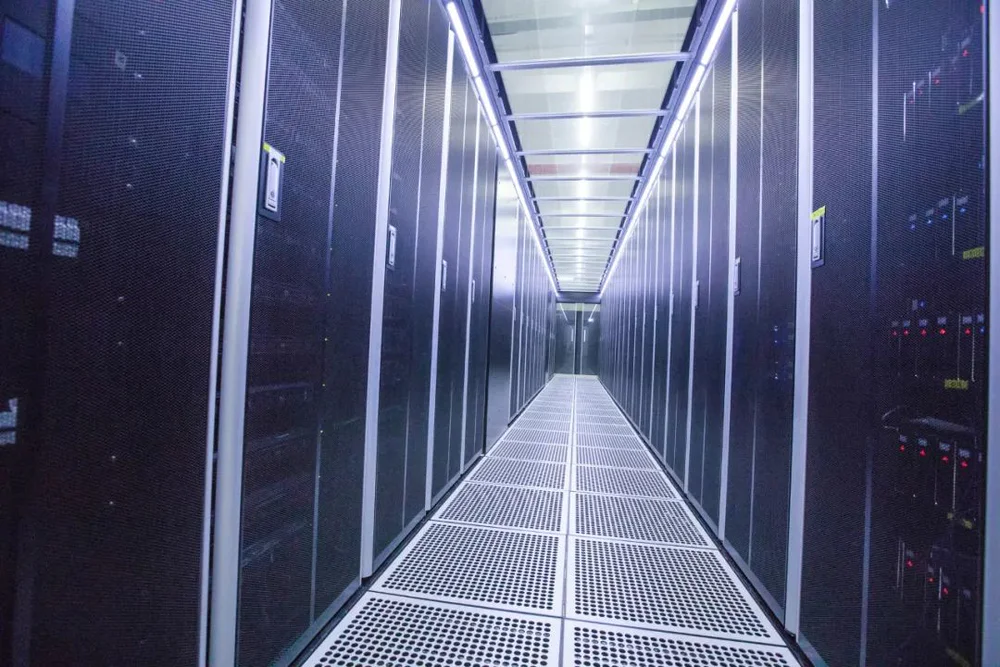
Server rack
A typical standard rack usually has a height of 42U. U is a unit used to specify the external dimensions of a server; it stands for “unit,” with 1U equal to 4.445 cm. Rack widths are available in 600 mm or 800 mm.
Rack depths come in a variety of sizes, including 600 mm, 800 mm, 900 mm, 1,000 mm, and 1,200 mm. Generally, IT equipment racks—such as server racks—are deeper, typically 1,100 mm or 1,200 mm, while communication equipment racks tend to be shallower, usually 600 mm.
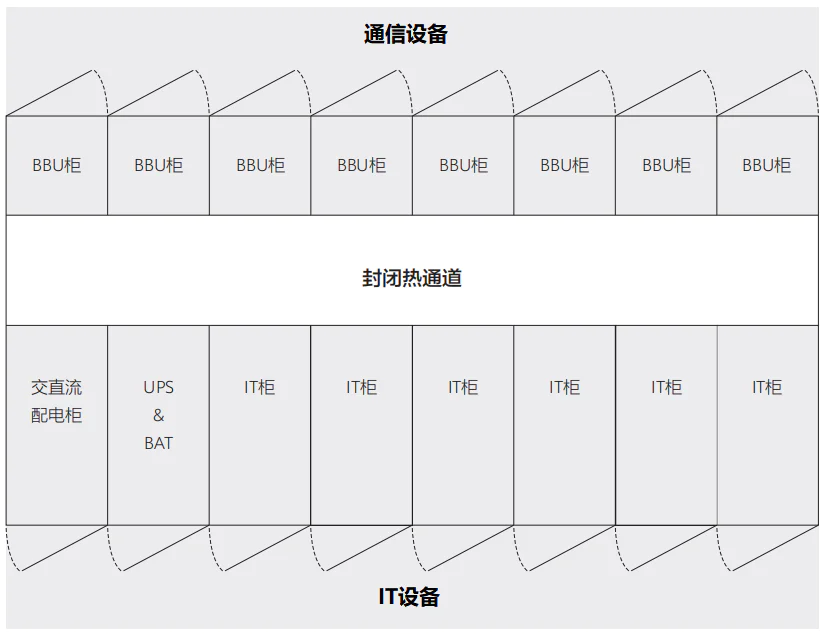
Comparison of Rack Depth for IT Equipment and Communication Equipment
In addition to servers, the IT equipment housed in the rack also includes specialized storage devices such as disk arrays.
Big data is now talked about everywhere; the volume of data generated by humanity is increasing exponentially each year, which in turn is driving up demand for both the quantity and performance of storage devices.
As most people know, today’s mainstream computer storage drives fall into two main categories: HDDs and SSDs. HDDs are the traditional mechanical hard drives, while SSDs are solid-state drives that are steadily becoming more widespread.
SSDs are semiconductor-based storage devices that offer high data-transfer speeds and compact form factors, making them highly popular. However, they come at a premium price. For data centers, HDDs remain the mainstream choice due to their superior cost-effectiveness. SSDs, by contrast, are currently primarily deployed for high-end customers and workloads with demanding performance requirements.
In addition to IT computing equipment, there are also data communication devices such as switches, routers, and firewalls.
When discussing switches, the term TOR—Top of Rack—inevitably comes up.
A TOR switch is a common term in the data center industry. As the name suggests, it refers to a top-of-rack switch. These switches serve as the lowest-layer network switching devices in a data center, responsible for connecting the servers within the rack and interfacing with the upstream core switches.
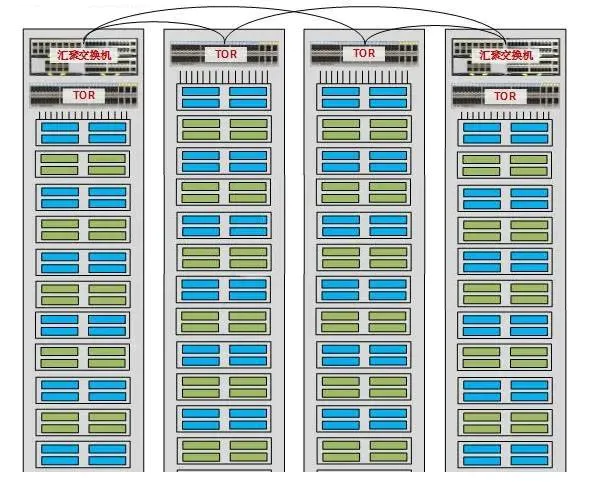
The location of the TOR switch
In fact, rack-mounted switches are not required to be installed at the top of the rack; they can be placed at the top, middle, or bottom. The reason they are typically mounted at the top is simply that this arrangement optimizes internal cabling.
Above the rack level, there are rows of racks—N rows in total. Connecting these racks and the servers requires data center networking technology.
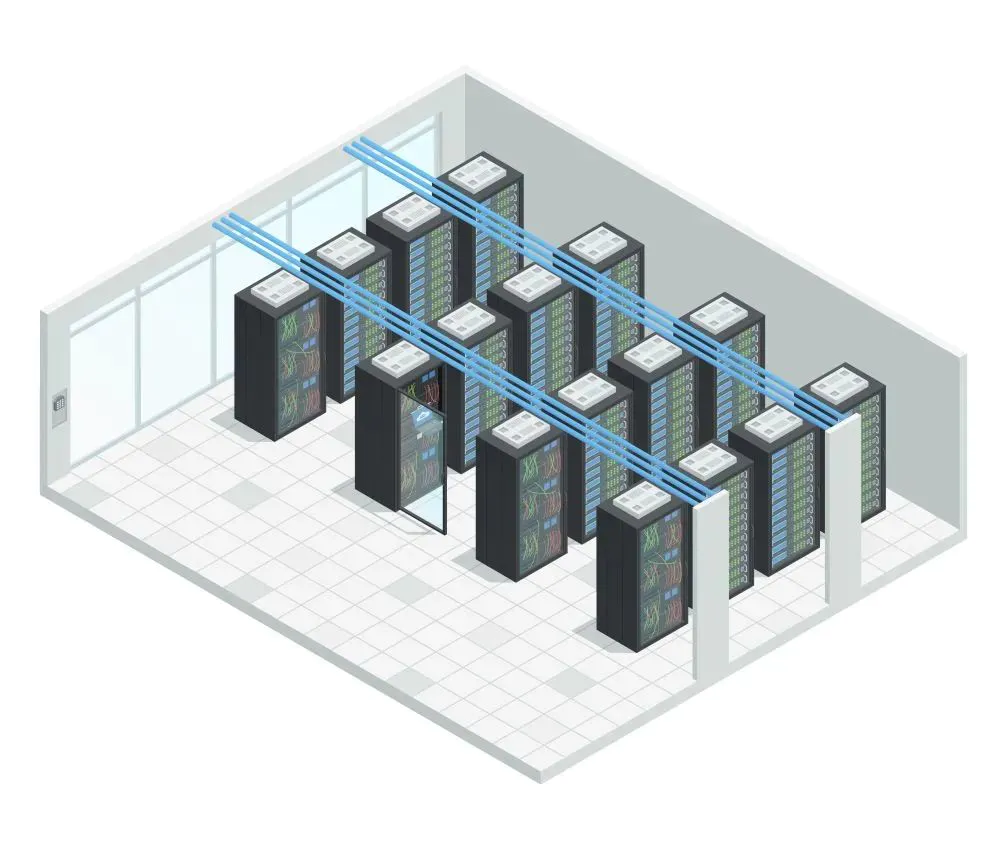
The most popular data center networking architecture today is the Spine-Leaf topology—no need to dwell on it here.
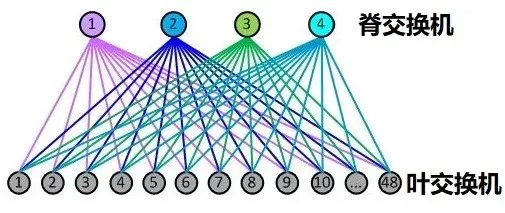
Leaf-Spine Network Architecture
It is worth noting that data centers today widely rely on fiber optics instead of copper cables to achieve high-bandwidth data transmission. Consequently, fiber optic cables, optical modules, and optical transport network (OTN) equipment have become essential components of modern data centers.
In particular, optical modules—especially high-speed ones such as 400G—are extremely expensive, accounting for a significant portion of data center costs and thereby constraining further development.
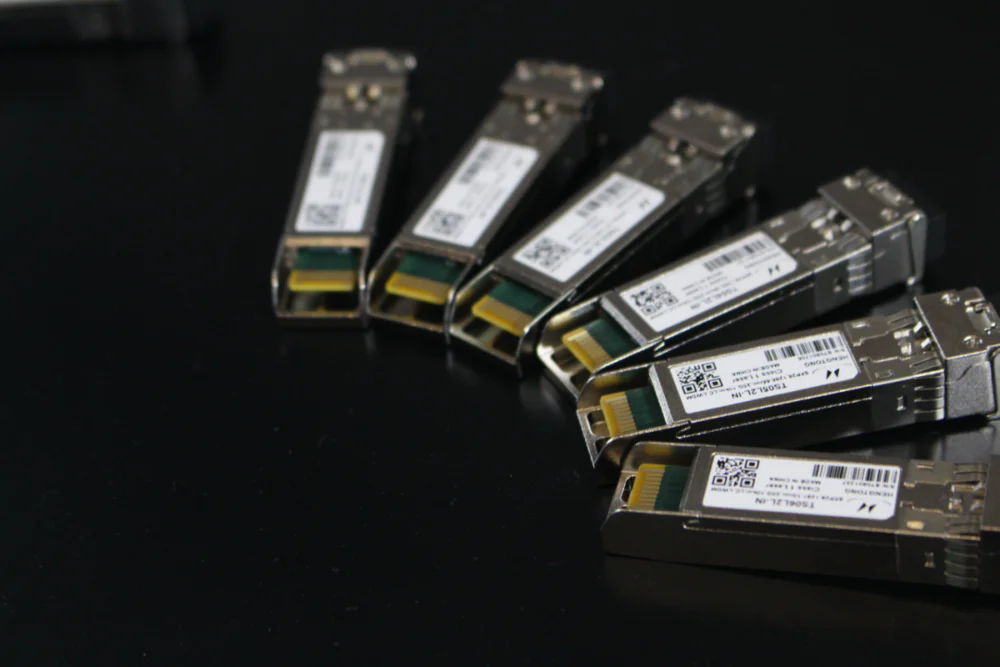
Optical module
Another popular term in optical communications today is DCI, which stands for Data Center Interconnect. With the growing trend of distributed deployments, data traffic between data centers is substantial, placing high demands on bandwidth.
Therefore, operators and cloud service providers are investing in DCI—building dedicated optical backbone networks for inter-datacenter connectivity—which represents a substantial market opportunity.
China’s “East Data, West Computing” initiative involves the interconnection and interoperability of data centers, which is providing significant and undeniable impetus to the DCI-related market.
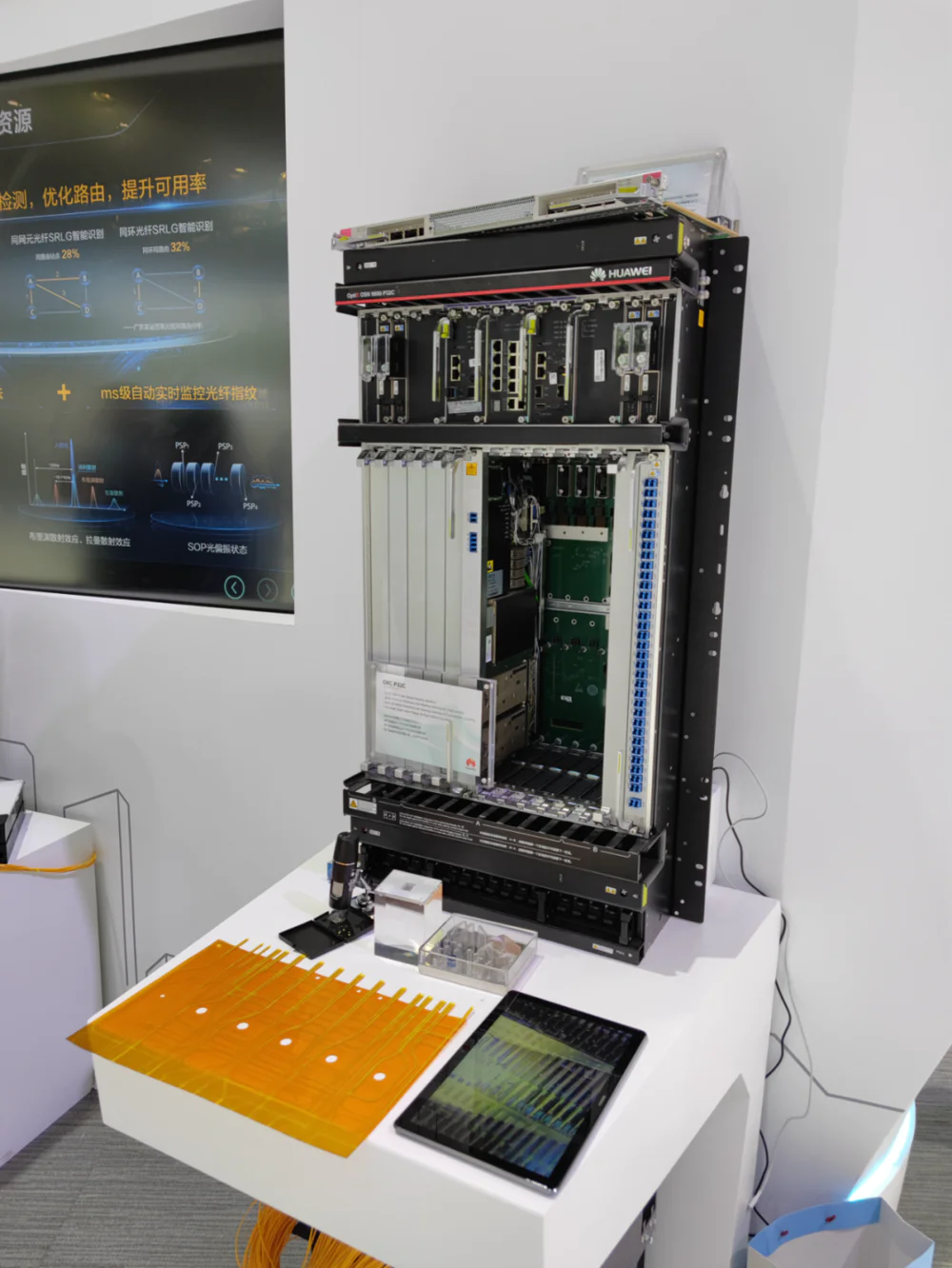
Optical Communication Backbone Network Equipment
Auxiliary equipment
Next, we will examine the supporting equipment and facilities for data centers.
Let’s start with power supply and distribution.
Power supply is the foundation of a data center’s normal operation. Without electricity, a data center is just scrap metal.
The primary function of power distribution equipment in data centers is to switch, control, and protect electrical power. The most critical piece of such equipment is the distribution cabinet.
Data center power distribution cabinets are categorized into medium-voltage and low-voltage types. Medium-voltage cabinets typically operate at 10 kV, receiving power from the utility grid at the upper level and supplying it to low-voltage cabinets at the lower level. Low-voltage cabinets generally operate at 400 V and perform further conversion, distribution, control, protection, and monitoring of electrical energy.
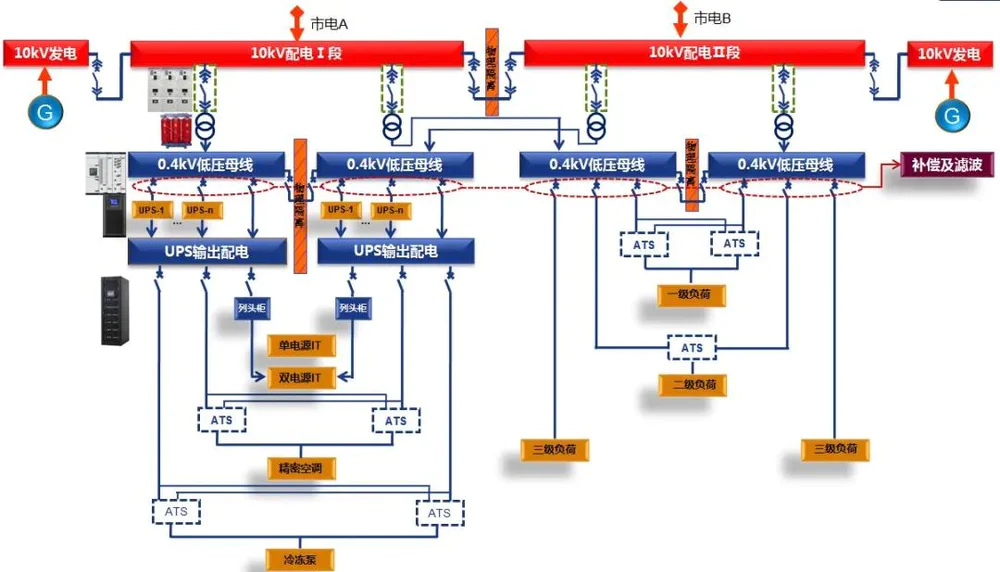
Data Center Power Supply and Distribution Schematic (Case Study)
In addition to distribution cabinets, data centers are also equipped with extensive UPS systems—and in some cases, diesel generator sets—to ensure uninterrupted power supply during emergencies.
“UPS plus utility power” is the traditional power-supply solution. Nowadays, the “HVDC plus utility power” configuration is more popular.
HVDC stands for High Voltage Direct Current, or high-voltage direct-current transmission. The differences between HVDC and UPS involve rather complex power-system engineering concepts, which we will cover in detail at a later opportunity.
In summary, “HVDC + Mains” offers higher reliability and safety and superior power-supply efficiency compared with “UPS + Mains,” making it the mainstream development trend for uninterruptible power supplies.
Let’s briefly discuss 48V and 220V.
As those with practical experience in the ICT industry know, IT equipment such as servers typically operates on 220V AC power, whereas core network and wireless communication equipment more commonly use -48V DC power.
Mains power is typically AC. Data centers generally provide both −48 V DC and 220 V AC, with the latter obtained via AC-to-DC conversion and the former via DC-to-AC inversion.
In fact, DC power is increasingly becoming the preferred choice for more data centers—such as Google—because it incurs lower losses and achieves higher energy efficiency, aligning with the current trend of high energy consumption driven by the soaring computational demands of modern data centers.
Now let’s take a look at heat dissipation and cooling.
The cooling system is the second-largest energy consumer in a data center, after the primary equipment. As for data center power consumption figures, I discussed them in the context of the “East Data, West Computing” initiative. That article Detailed information is provided elsewhere, so we won’t go into further detail here.
Currently, data center cooling primarily encompasses two methods: air cooling and liquid cooling.
Air-cooling typically employs an air-conditioning system. Similar to household air conditioners, data-center air-conditioning systems also consist of indoor and outdoor units. Relatively speaking, this technology is well-established, with a simple structure that is easy to maintain.
Liquid cooling uses a liquid as the coolant to achieve temperature reduction and heat dissipation.
Liquids have a thermal conductivity 25 times that of air, meaning that, for the same volume, liquids can remove nearly 3,000 times more heat than air. From a noise perspective, at equivalent cooling performance, liquid cooling reduces noise by 20 to 35 decibels compared with air cooling. In terms of energy consumption, liquid cooling saves 30% to 50% of electricity compared with air cooling.
At present, liquid cooling technology is widely regarded as promising by the industry, yet it remains in the exploratory stage. Overall, the market prospects for liquid cooling are exceptionally broad, with the market size reportedly exceeding RMB 100 billion.
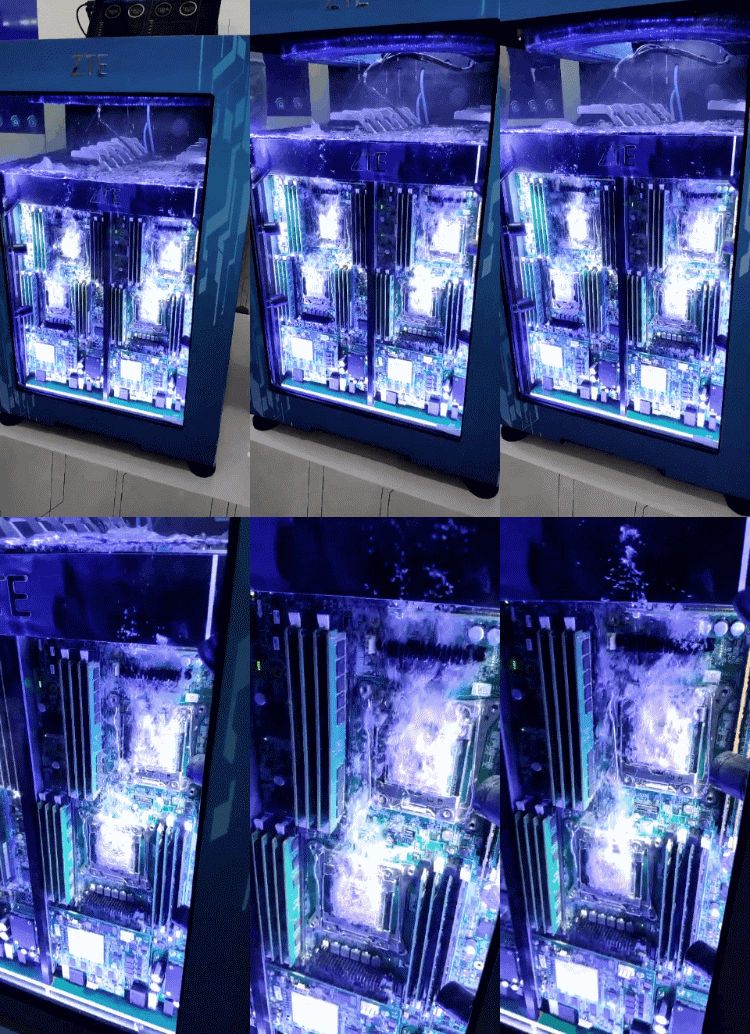
ZTE’s demonstration of server immersion liquid cooling technology
With regard to cooling and heat dissipation, it is worth noting that near-end cooling approaches—such as cabinet-pool-level, row-level, and cabinet-level cooling—are gaining traction and are becoming the mainstream choice for newly built data centers.
Traditional cooling is typically room-level, providing air conditioning to the entire data center. This approach features excessively long cooling distribution paths and low efficiency, making it unable to meet the thermal management requirements of high-power equipment and resulting in substantial energy consumption.
Cabinet-pool-level, row-level, and cabinet-level thermal design are conducted with a cabinet pool, a row of cabinets, or a single cabinet as the central focus.
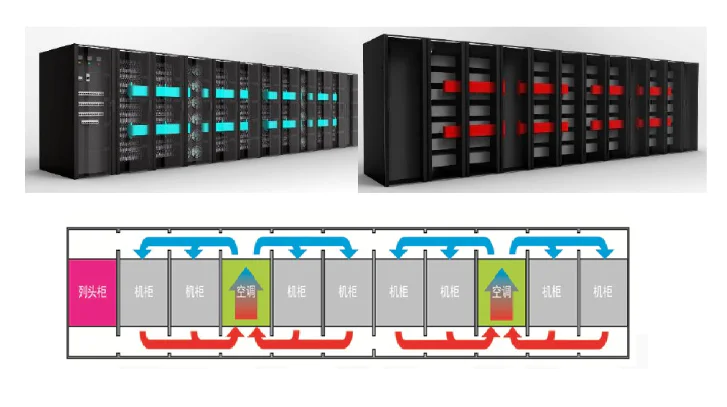
Rack-row-level cooling: design the airflow path for a single row of cabinets.
This approach significantly shortens the airflow path, resulting in highly efficient heat dissipation.
In addition to power distribution and thermal management systems, data centers also rely on various management and operations-related infrastructure, such as environmental monitoring systems, building automation systems, and fire protection systems.
Environmental and power monitoring, also known as infrastructure monitoring, involves the real-time monitoring and management of data center operating conditions.
Over the past few years, DCIM has evolved on the foundation of traditional infrastructure monitoring systems.
DCIM, short for Data Center Infrastructure Management, was introduced by the renowned consulting firm Gartner. Its scope of management is more comprehensive, leveraging tools to monitor, manage, and control all primary IT equipment as well as the supporting infrastructure within a data center.
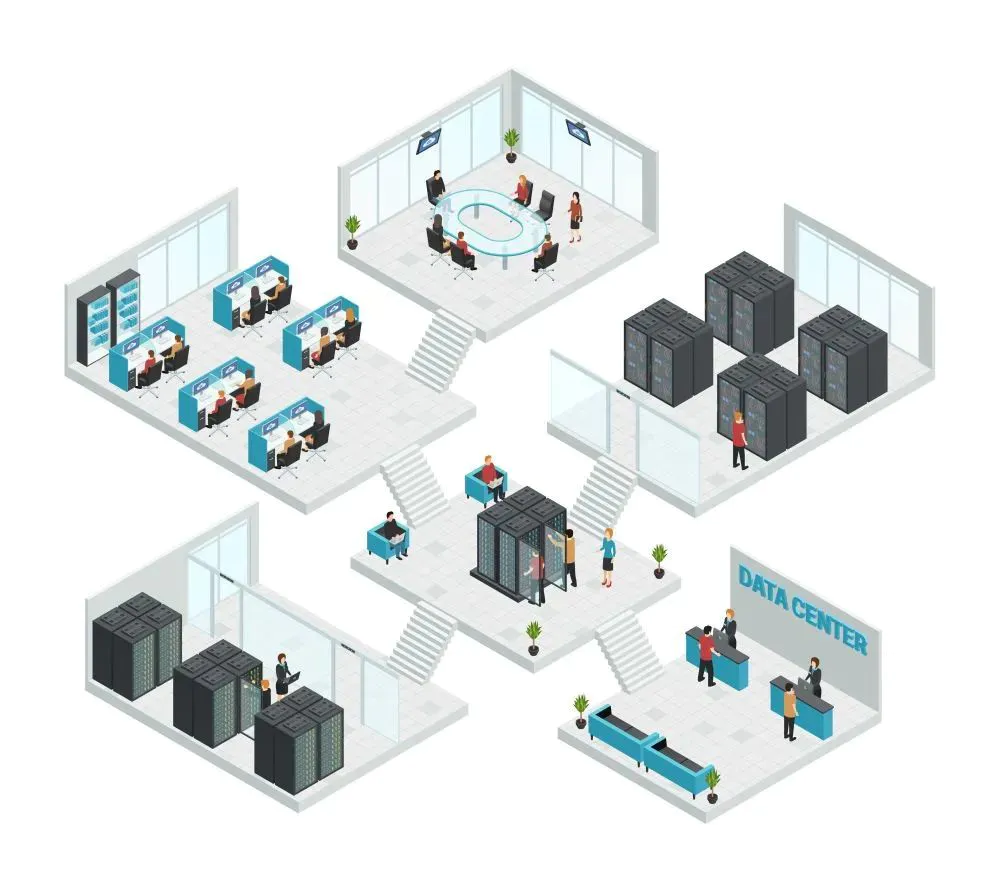
Data center fire protection systems are quite interesting. Since server rooms are filled with electronic equipment, direct application of water, foam, or dry chemical agents is absolutely out of the question in the event of a fire.
So what should we do? Gas-based fire suppression.
Upon the occurrence of a fire, the fire and smoke sensors trigger the alarm, after which inert gases such as argon or nitrogen can be released into the equipment room to deprive the flame of oxygen, thereby extinguishing the fire—typically within a few tens of seconds.
Modular Data Center
Data centers are large-scale systems whose construction is highly complex and time-consuming. In recent years, to enable faster and more flexible data center deployment, vendors have introduced the concept of modular data centers.
Simply put, it involves integrating the data center’s structural system, power supply and distribution system, HVAC system, fire protection system, lighting system, and structured cabling into modular “building blocks.” Once these modules are transported to the site, they can be quickly hoisted and assembled, enabling rapid construction and deployment.
By adopting this approach, the construction cycle for large data centers has been shortened from 18–24 months to approximately 6 months, yielding significant economic benefits.
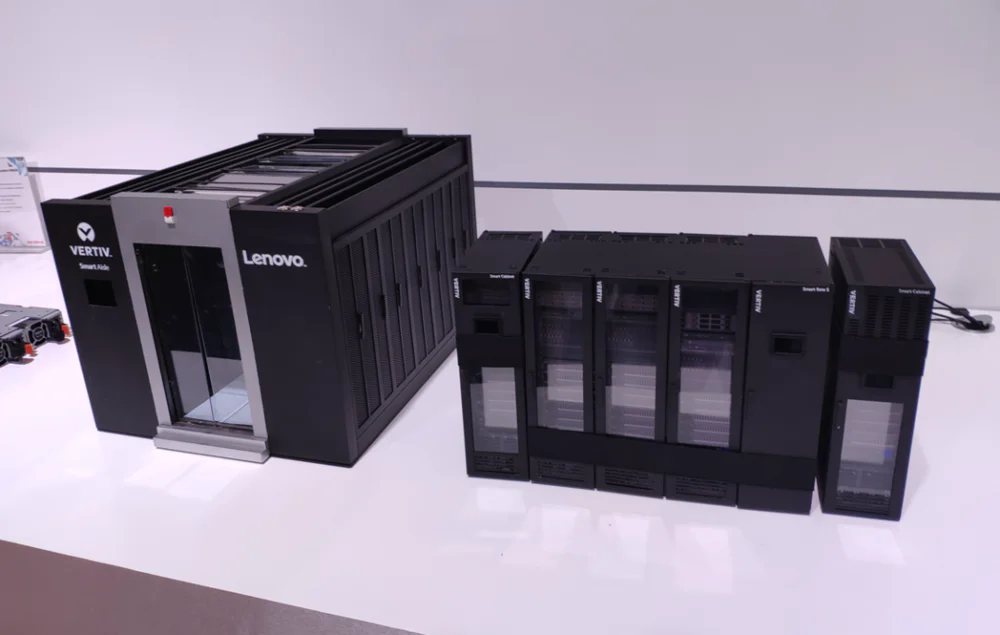
Modular Data Center (Model)
III. Conclusion
That concludes the introduction to data centers.
As I mentioned earlier, data centers are a critical information infrastructure in the digital era and serve as the primary platform for computing power, directly determining a nation’s digital competitiveness.
Driven by the “East Data, West Computing” strategy, China’s data center industry is poised to experience another wave of rapid growth. According to statistical data, the size of China’s data center services market is expected to reach RMB 320.05 billion in 2022, with an annual compound growth rate of 27.0%. By 2025, IT investment in domestic data centers is projected to climb to RMB 707.09 billion.
In addition to a dramatic increase in scale, data centers are evolving toward greener and smarter operations by actively integrating AI to enhance energy efficiency and reduce operational complexity.
Let’s wait and see whether data centers will take on new forms in the future!
References:
1. “Research Report on the Data Center Industry Atlas,” China Academy of Information and Communications Technology
2. “Data Center Energy White Paper,” Huawei
3. “Special Report on Data Centers,” Dongguan Securities
Data center,Small busbar,Intelligent Busbar,Busbar for the support,IDC data center,Busbar
Previous Page
Related News
Exploring the Future Development and Applications of Busbar Trunking Systems
This article explains the importance of busbar trunking systems in modern power systems and their future development trends.
2026-04-10

Hello, how may we assist you?
*Note: Please ensure all information is accurate; we will contact you as soon as possible.
SAF Coolest v1.3.1.1 设置面板 JYOSD-ZUEU-XXZSE-SZV
无数据提示
Sorry, this section is currently being updated. Please stay tuned!
You can view other sections or return.Home