

A Comprehensive Analysis of Tin Whiskers: Definition, Hazards, and Systematic Mitigation Strategies
Release Date:
2025-10-21
A Comprehensive Analysis of Tin Whiskers: Definition, Hazards, and Systematic Mitigation Strategies
I. What are tin whiskers?
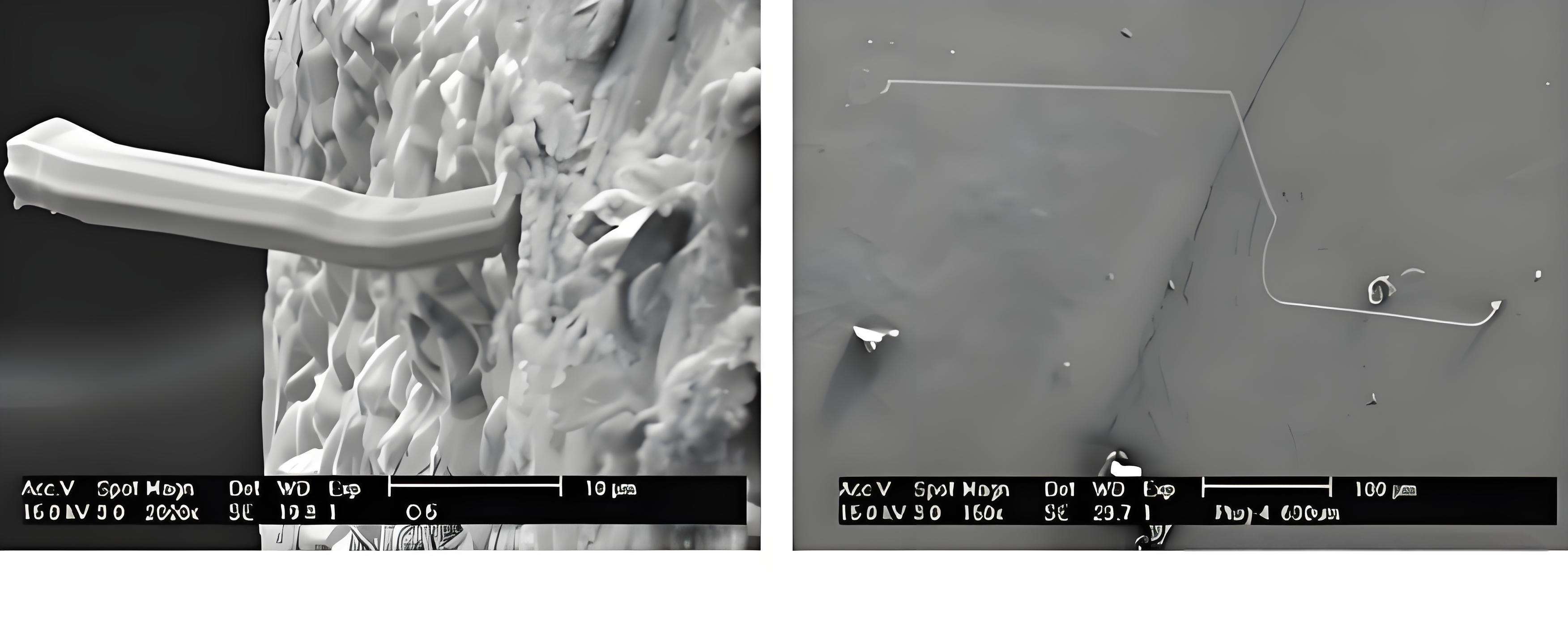
Tin whiskers It is a type of coating on the surface of tin plating. Self-grown filamentous single crystals It is not caused by external contamination or electrolysis, but rather by intrinsic mechanisms within the material. 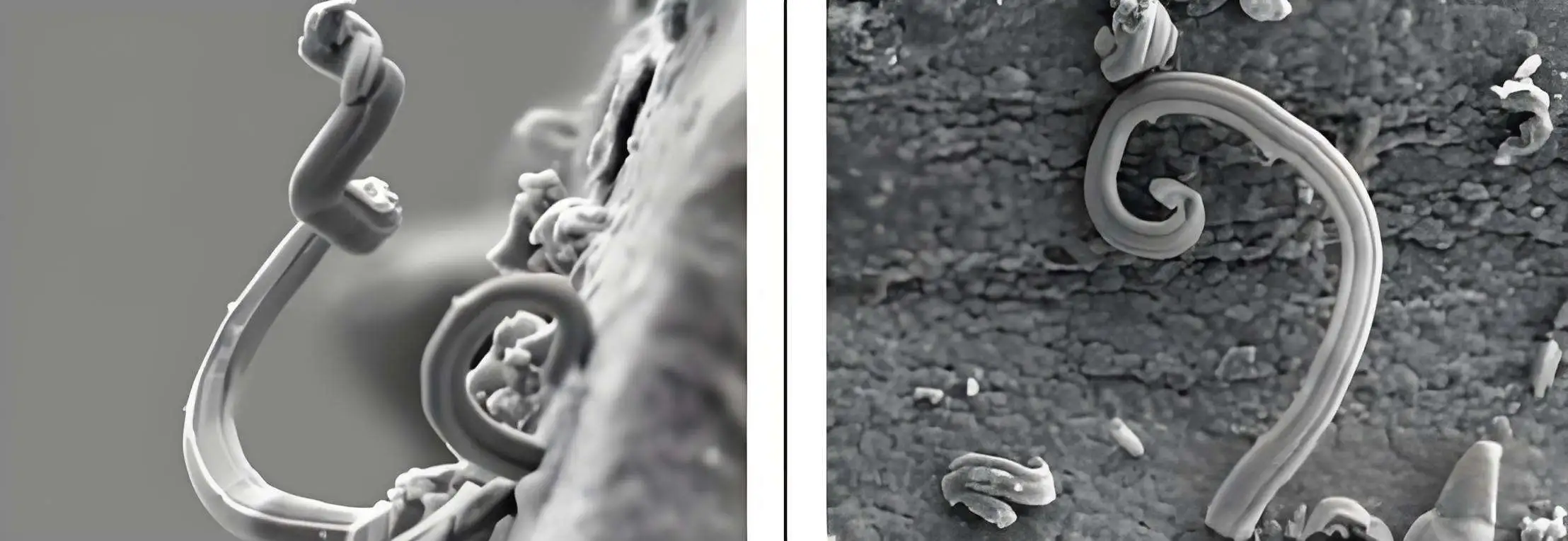
Key features:
Form : Filamentous, whisker-like
Size : The diameter is usually 1–5 µm , with a length of up to 1–500 µm Even longer
Ingredients : The main component is pure tin, a conductive elemental metal.
Growing Conditions : Spontaneous, slow growth occurs at room temperature without external driving.
High-Occurrence Materials : Mainly appears in Pure tin or High-tin alloy Surface
II. The Severe Hazards of Tin Whiskers
Tin whiskers pose a serious threat to electronic equipment due to their conductivity and ability to bridge minute gaps.
1. Circuit short circuit (the most common and most dangerous)
| Circuit Type | Manifestations of Harm |
|---|---|
| Low-Voltage/High-Impedance Circuit | Form Continuous short circuit , leading to signal interference and logic errors |
| High-voltage circuit | cause Transient Short Circuit or an electric arc may occur, potentially causing the equipment to reboot. |
| Medium-voltage circuit | Form Metal Plasma Arc , resulting in catastrophic failure |
2. Mechanical Interference and Contamination
Precision mechanical jamming : Fallen tin whiskers may become lodged in precision components such as microelectromechanical systems (MEMS).
Pollutant : Tin whisker debris, as a conductive contaminant, poses a potential short-circuit risk.
3. Vacuum Arc (Particularly Critical in the Aerospace Industry)
In High-vacuum environment In [context], short-circuit melting of tin whiskers readily leads to the formation of Persistent Arc , which could directly burn out critical electronic equipment.
III. Comprehensive Strategies for Systematic Mitigation of Tin Whiskers
1. Material Optimization (the most fundamental and effective approach)
Avoid using pure tin plating. : The most basic principle
Adopt alloy plating :
Sn-Pb (lead content > 3%) : The most effective and mature solution
Sn-Ag-Cu Other alloys: exhibit a certain inhibitory effect.
Use alternative coatings : Nickel plating, gold plating, palladium plating A plan that is completely Wuxi-specific
2. Process Control
Optimize the electroplating process : Control of coating thickness and current density
Annealing treatment : Through Reflow Soldering or Heat treatment Relieve internal stress in the coating
Avoid mechanical stress : Prevent stress concentrations caused by bending, stamping, and other operations
3. Environmental Management
Control the storage environment : Avoid High temperature and high humidity Environment, mitigating tin whisker growth
Pay attention to temperature cycling. : Avoid introducing stress due to rapid temperature changes
4. Design and Testing
Increase electrical clearance : During PCB layout Maximize pin spacing as much as possible.
Apply a protective coating : Spraying Three-proof coating Implement physical isolation
Conduct reliability testing :
Use High-magnification optical microscope or Scanning Electron Microscope Regular inspection
Reference JESD201 Assess according to industry standards
Assessing Long-Term Risks Through Accelerated Testing  Summary
| aspect | Key Points |
|---|---|
Essence |
Spontaneous pure tin plating Conductive Crystal Filament |
Main Hazards |
Circuit short, mechanical failure, vacuum arc |
Evasion strategy |
Source control, process optimization, and backend protection |
Avoiding tin whiskers is a systematic engineering endeavor. In high-reliability sectors such as aerospace, medical, and automotive electronics, tin-whisker risk assessment must be integrated into the quality-control system to prevent problems before they occur.
Related News
Exploring the Future Development and Applications of Busbar Trunking Systems
This article explains the importance of busbar trunking systems in modern power systems and their future development trends.
2026-04-10

Hello, how may we assist you?
*Note: Please ensure all information is accurate; we will contact you as soon as possible.
SAF Coolest v1.3.1.1 设置面板 JYOSD-ZUEU-XXZSE-SZV
无数据提示
Sorry, this section is currently being updated. Please stay tuned!
You can view other sections or return.Home