

In-Depth Analysis of KVM and RS232 Interface Functions: From Technical Principles to Engineering Practice
Release Date:
2025-10-25
In-Depth Analysis of KVM and RS232 Interface Functions: From Technical Principles to Engineering Practice
Professional electrical solutions to enable efficient system integration.
In the fields of industrial automation and data center management, KVM modules and RS232 modules serve as critical interface devices, catering to two core application scenarios: multi-device management and industrial communication, respectively. A thorough understanding of their technical principles and application standards is essential for enhancing system integration efficiency. 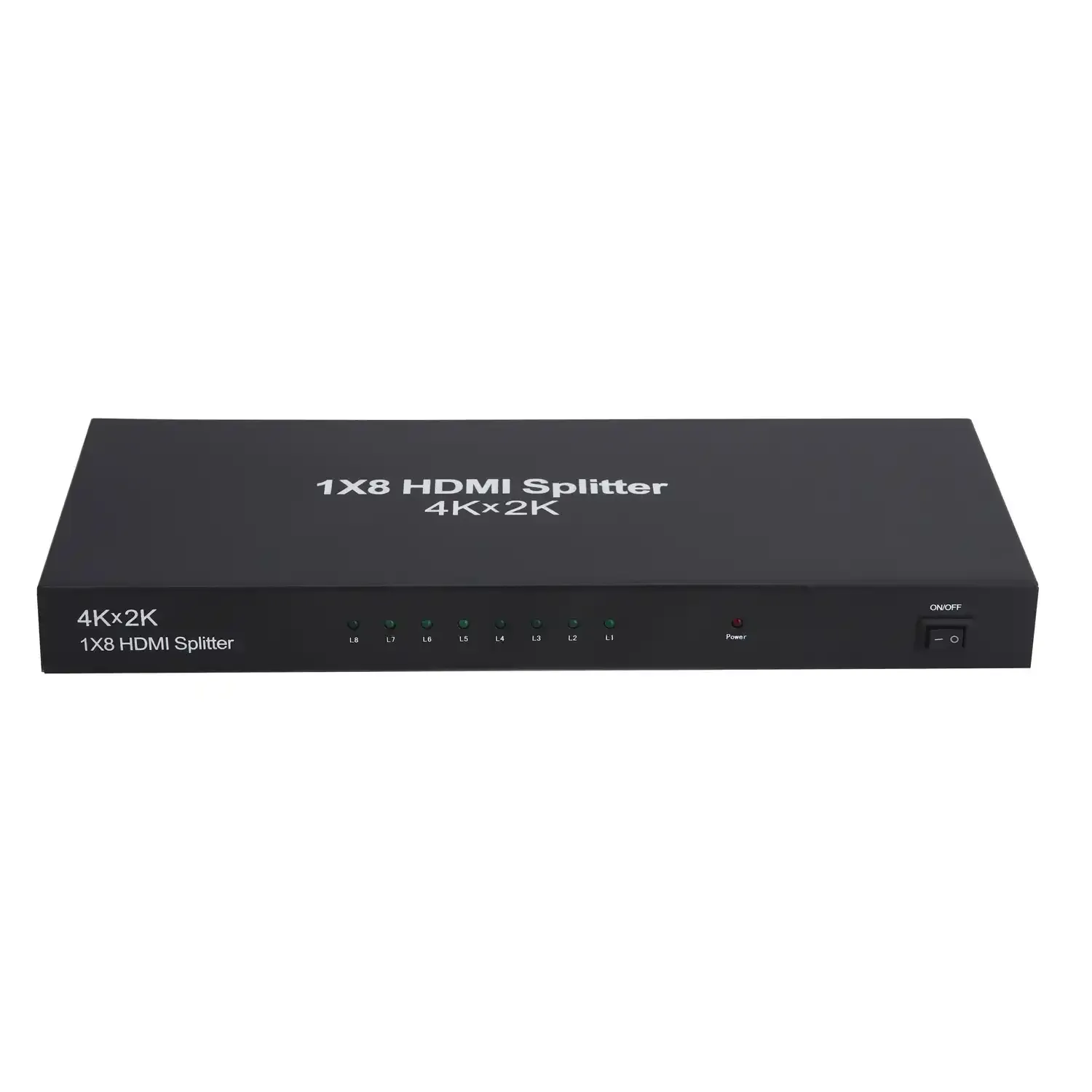
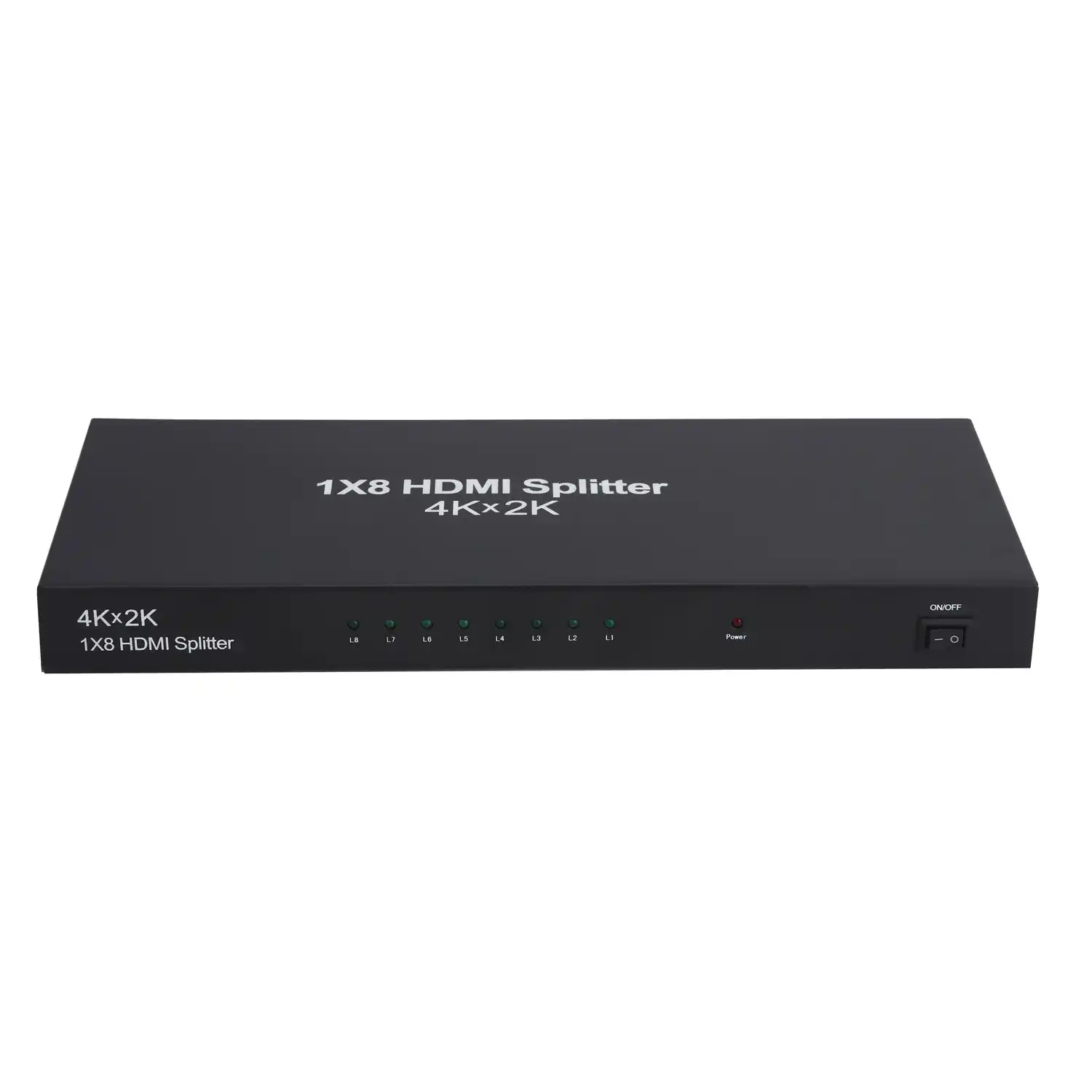
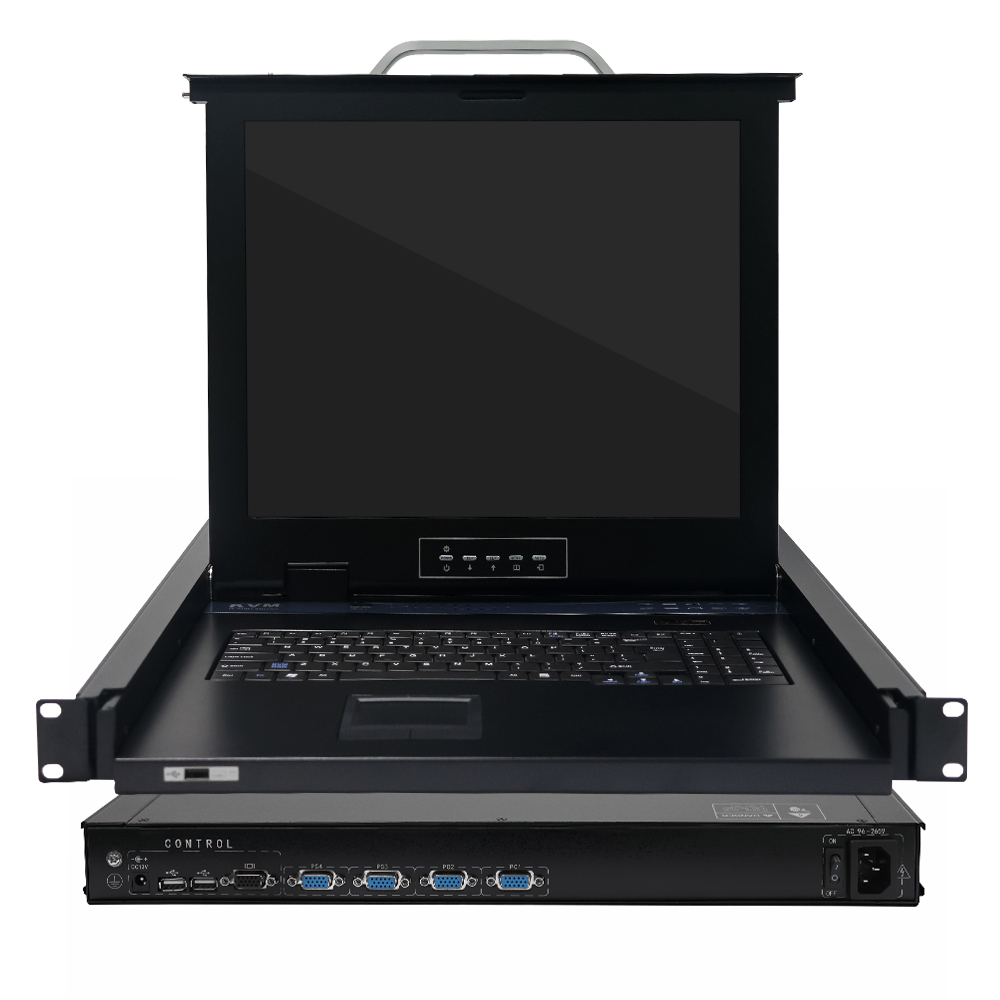
I. KVM Module: The Central Hub for Multi-Device Control
Core Features
Centralized control of multiple hosts using a single set of peripherals (keyboard, monitor, and mouse) enables streamlined and efficient device management.
Technical Advantages
Lossless Signal Switching : Physical-level circuit design ensures zero-latency switching and no signal attenuation.
Multi-protocol compatibility : Full support for USB-C, HDMI, and DisplayPort interfaces, as well as hybrid system environments.
Network Management Expansion : High-end models support remote server debugging in data centers, enabling off-site operations and maintenance.
Operating Procedures
Cable Management
Six types of shielded cables require precise identification of the grounding terminal and verification of continuity.
For USB 3.0 and higher interfaces, it is recommended to use fully shielded cables to ensure signal integrity.
Hotkey Configuration
Supports custom keyboard shortcuts and optimizes the workflow.
Effectively saves physical space and enhances management efficiency.
II. RS232 Module: The Cornerstone of Industrial Communication
Key Technical Details
Interface Definition : In the DB9 connector, TXD (pin 3), RXD (pin 2), and GND (pin 5) form the core three-wire configuration.
Level Characteristics : Uses negative-logic transmission (–15 V to –3 V represents a ‘1’, and +3 V to +15 V represents a ‘0’), with noise immunity four times greater than TTL levels.
Scenario Applications : Widely used in industrial control (PLC-connected sensors), debugging and adaptation of legacy equipment, and other scenarios.
Engineering Specifications
Long-Distance Transmission Optimization
When the transmission distance exceeds 15 meters, the trace width shall be increased to 10 mils and the clearance shall be maintained at 3 W.
For transmission distances exceeding 50 meters, an RS485 repeater must be used to ensure signal quality.
Safety Precautions
Strictly avoid mixed connection with the RS-485 bus to prevent level conflicts.
It is recommended to implement signal isolation protection at critical nodes.
III. Technology Iteration and Selection Strategy
Key Considerations for KVM Selection
Prioritize models that support EDID emulation.
Strictly verify 4K@60Hz resolution compatibility.
Account for future expansion needs by reserving interface capacity.
RS232 Selection Standards
Industrial-grade products must incorporate optocouplers.
Isolation voltage requirement ≥ 2500 Vrms
It is recommended to integrate a TVS diode (response time < 1 ns) to enhance lightning and surge protection. 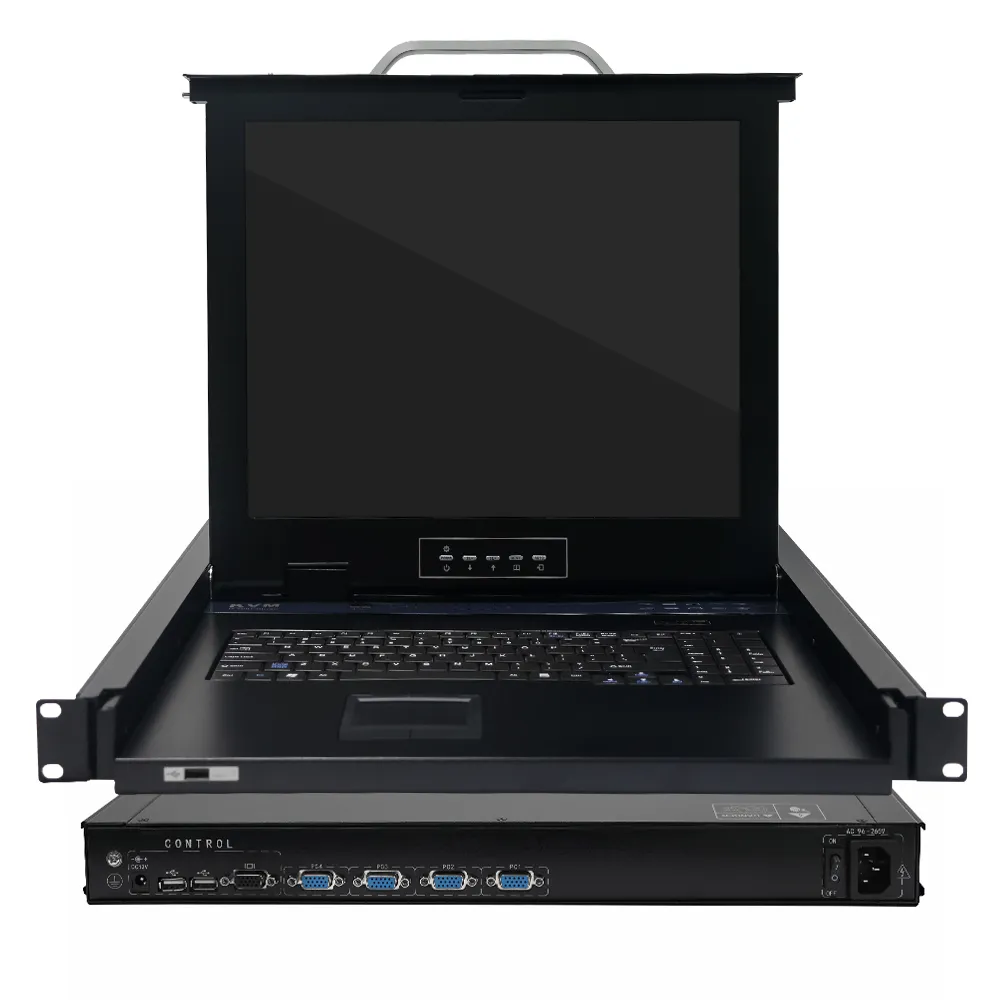
Summary
KVM and RS232 modules achieve efficient device interoperability through standardized protocols, playing an irreplaceable role in their respective application domains:
KVM module Focused on enhancing equipment management efficiency, suitable for multi-host environments such as data centers and control rooms.
RS232 module Grounded in industrial communication reliability, serving applications such as automated control and equipment commissioning.
Mastering the technical mechanisms and selection criteria for these two types of modules can significantly enhance system compatibility and integration capabilities, thereby laying a solid foundation for building stable and efficient electrical systems.
Need professional technical support? Our engineering team is available at any time to provide you with personalized solution recommendations.
[Technical Consultation] [Product Selection] [Solution Design]
Related News
Exploring the Future Development and Applications of Busbar Trunking Systems
This article explains the importance of busbar trunking systems in modern power systems and their future development trends.
2026-04-10

Hello, how may we assist you?
*Note: Please ensure all information is accurate; we will contact you as soon as possible.
SAF Coolest v1.3.1.1 设置面板 JYOSD-ZUEU-XXZSE-SZV
无数据提示
Sorry, this section is currently being updated. Please stay tuned!
You can view other sections or return.Home